
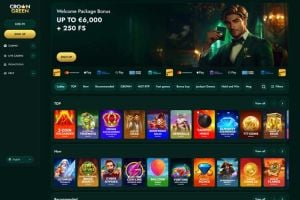
Account access starts with identifying the correct sign-in page, not with entering details into the first result you see. For New Zealand adults checking whether the service is available to them, the crowngreen login process should be approached alongside a careful review of the live site’s address, terms and eligibility rules. The available material gives useful information about email sign-in and recovery, but it also contains market inconsistencies that make caution especially important.
Check the web address before entering your details
A genuine login page should appear on the operator’s expected website address and use a secure connection beginning with “https”. Check the spelling of the domain carefully, including unusual substitutions, extra words, added hyphens or unexpected endings. Fraudulent pages often imitate familiar colours and logos, so the visual design alone is not enough to establish that a page is genuine.
Do not rely on a search advert, social-media message or unsolicited email to identify the correct destination. Instead, compare the address with one you have already verified from the operator’s published terms or another trusted account document. On a phone, expand the browser’s address bar if necessary; a shortened display can hide the important part of the domain.
Before typing an email address or password, look for signs that the page is loading normally and that the browser reports a secure connection. A padlock does not prove that the business is trustworthy, but an insecure warning is a clear reason to stop. New Zealand’s official cyber-security guidance also recommends treating unexpected messages and suspicious links cautiously.
What the published sign-in details indicate
The available account information describes a sign-in form that uses an email address and password. It does not establish that every visitor from New Zealand can use the service, nor does it confirm that a particular page is currently available. Treat the form as an access interface only, rather than proof of local acceptance, licensing or permission to gamble.

Account details should be accurate and kept private. The published terms reportedly require one account per person and prohibit account sharing, multiple accounts, third-party deposits and fraudulent activity. These conditions matter when access fails: opening another account to bypass a locked, restricted or unverified account could create a separate terms issue instead of solving the original problem.
The material also warns that market information is inconsistent. One New Zealand-facing source says local players are accepted, while the stated restricted-country information includes New Zealand. The operator is described as offshore and not licensed by a New Zealand regulator. Before attempting access, check the current terms and registration controls yourself, and do not assume that a New Zealand location automatically makes an account eligible.
Use recovery tools without creating a second account
If the password is forgotten, the described recovery route asks for the account email address and sends a login or reset code. The reported code is six digits. Use only the recovery function displayed on the verified website, and check the spelling of the address before submitting it. Never provide a recovery code to someone who contacts you unexpectedly.
When a message arrives, inspect it before opening anything. Confirm that the sender address matches the verified domain, avoid attachments and do not follow a reset button if the message uses pressure or unusual wording. Instead, open the previously verified website manually and use its own recovery screen. A legitimate support representative should not need your full password or one-time code.
If the recovery email does not arrive, check spam and confirm that the mailbox still works. Repeated requests can make the process confusing, so wait briefly before trying again. If identity checks are requested, follow only the instructions shown through the verified account or official support channel. Keep copies of relevant correspondence, but remove passwords, payment details and identity numbers before storing screenshots.
When verification or eligibility affects access
Access problems are not always caused by an incorrect password. The supplied information says identity checks may be requested before deposits or withdrawals, and that further documents may be needed for account or payment checks. It does not specify one universal document list or a guaranteed processing time, so requirements should be confirmed through the current account instructions.
A request for identification deserves particular care. Check where documents are being uploaded, whether the page is the verified domain, why the information is required and how the operator says it will be handled. Do not send identity documents through an unverified email address or a social-media account. If anything appears inconsistent, pause and seek clarification through the site’s recognised support route.
Eligibility is a separate issue from authentication. Even if an email and password are correct, access may be limited by jurisdiction, age, account status or verification requirements. The published terms reportedly require users to be at least 18 and legally permitted to gamble where they live. New Zealand readers should check the live restrictions rather than relying on an older review or cached page.
Protect the account after successful access
Use a unique password that is not reused for email, banking, shopping or other gambling accounts. A long passphrase with unrelated words can be easier to remember than a short complex string, while still being harder to guess. If the browser offers to save the password, use a reputable password manager or a private, protected device rather than a shared computer.
After signing in, review the account details for unfamiliar changes, including a new email address, altered contact information or unexpected activity. Sign out when using a public or shared device, and avoid leaving an active session open in a browser tab. Do not install an unverified application simply because a pop-up claims it is required for account access.
Keep records of support requests and account-closure or self-exclusion instructions if they become relevant. The source material reports that support channels and safer-gambling controls may vary, and it raises concerns about how reliably some account requests are handled. If access or closure becomes a safety concern, stop using the account and seek independent help rather than repeatedly attempting to log in.
Account access questions answered
What should I do if the login page looks different?
Stop before entering your details. Compare the complete web address with a previously verified operator address, close the page and reopen the site manually. Do not trust a different logo, unusual pop-up or urgent message. If uncertainty remains, contact support through a recognised channel without sharing your password or recovery code.

Can I create another account if recovery fails?
No. The supplied terms reportedly restrict users to one account and prohibit multiple accounts. Creating another profile could complicate verification or account access. Use the stated recovery route, check your email carefully and contact support if necessary. Keep evidence of the problem and do not disclose sensitive credentials while asking for help.
Does a successful login prove I can gamble from New Zealand?
No. Authentication only shows that the sign-in details were accepted. It does not confirm local eligibility, legality, licensing or current service availability. The published information contains conflicting statements about New Zealand, so check the live restricted-country list, terms and registration controls before depositing, playing or sending documents.