
Understanding the Core Mechanics of Gambling
Gambling, at its heart, is a game of chance where outcomes are determined by unpredictable events. Whether it’s spinning a roulette wheel, drawing cards in poker, or placing bets on sporting events, the inherent uncertainty is what defines the thrill. Players stake real money or other valuables with the hope of achieving a favorable outcome, often against a house edge designed to favor the establishment over the long run. For those interested in exploring various betting options, you can click here to learn more.

The psychological allure of gambling stems from the possibility of sudden windfalls and the dopamine rush associated with risk-taking. However, it’s crucial to approach gambling with a clear understanding of the odds involved. Many games have mathematically determined probabilities that dictate the likelihood of winning or losing, and these probabilities are rarely in the player’s favor without strategic intervention or exceptional luck. Responsible gambling involves recognizing these odds and managing expectations accordingly.
Strategies for Navigating Gambling Odds
While many gambling activities rely heavily on pure luck, certain games offer avenues for players to influence their outcomes through skill and strategy. Blackjack, for instance, is renowned for being a game where a player’s decisions significantly impact the house edge. Understanding basic strategy charts, which dictate the optimal move for every possible hand combination, can dramatically reduce the casino’s advantage. This strategic approach transforms blackjack from a game of pure chance into one where informed choices lead to better results.
Beyond blackjack, other forms of gambling also benefit from strategic thinking. Poker, a prime example, relies heavily on reading opponents, understanding betting patterns, and calculating pot odds. In sports betting, thorough research into team statistics, player performance, and historical data can provide an informational edge. The key across all these endeavors is not to eliminate the element of chance, but to minimize its negative impact by making calculated decisions based on available information and probability. Embracing a mindset that prioritizes learning and adaptation is paramount for any serious gambler looking to gain a stable edge.
The Role of Psychology in Gambling
The mental aspect of gambling is as critical as any mathematical strategy. Emotional control is a cornerstone of successful play. Many players succumb to the temptation of chasing losses, increasing bets impulsively after a string of defeats, which often leads to deeper financial trouble. Conversely, winning streaks can foster overconfidence, leading to reckless decisions and the squandering of previously won profits. A disciplined mindset, characterized by the ability to stick to a predetermined strategy and betting limits, is essential for maintaining a stable edge.
Furthermore, understanding cognitive biases plays a vital role. Gamblers may fall prey to the gambler’s fallacy, believing that past independent events influence future ones (e.g., a roulette wheel “due” for a certain number). Recognizing and actively combating these psychological pitfalls allows players to approach each decision with a clearer, more rational perspective. This mental fortitude, coupled with strategic knowledge, forms the bedrock of sustainable gambling practices. Platforms designed to facilitate informed gambling experiences, much like the one envisioned by the name RetroBett, aim to provide tools and environments that support these disciplined approaches.
Managing Bankroll for Sustainable Gambling
Effective bankroll management is non-negotiable for anyone aiming to achieve a stable edge in gambling. This involves setting a strict budget for gambling activities and adhering to it religiously, regardless of wins or losses. A dedicated bankroll should be money that one can afford to lose without impacting essential living expenses. This financial discipline prevents emotional decision-making driven by desperation or greed.
Within the gambling session itself, implementing strategic bet sizing is crucial. Rather than wagering large portions of the bankroll on single bets, a more prudent approach involves betting a small, consistent percentage of the total bankroll on each wager. This method preserves capital, allowing players to weather losing streaks and capitalize on winning runs. This disciplined approach to financial management is a critical component that distinguishes professional or successful recreational gamblers from those who treat gambling as pure, unmanaged entertainment.
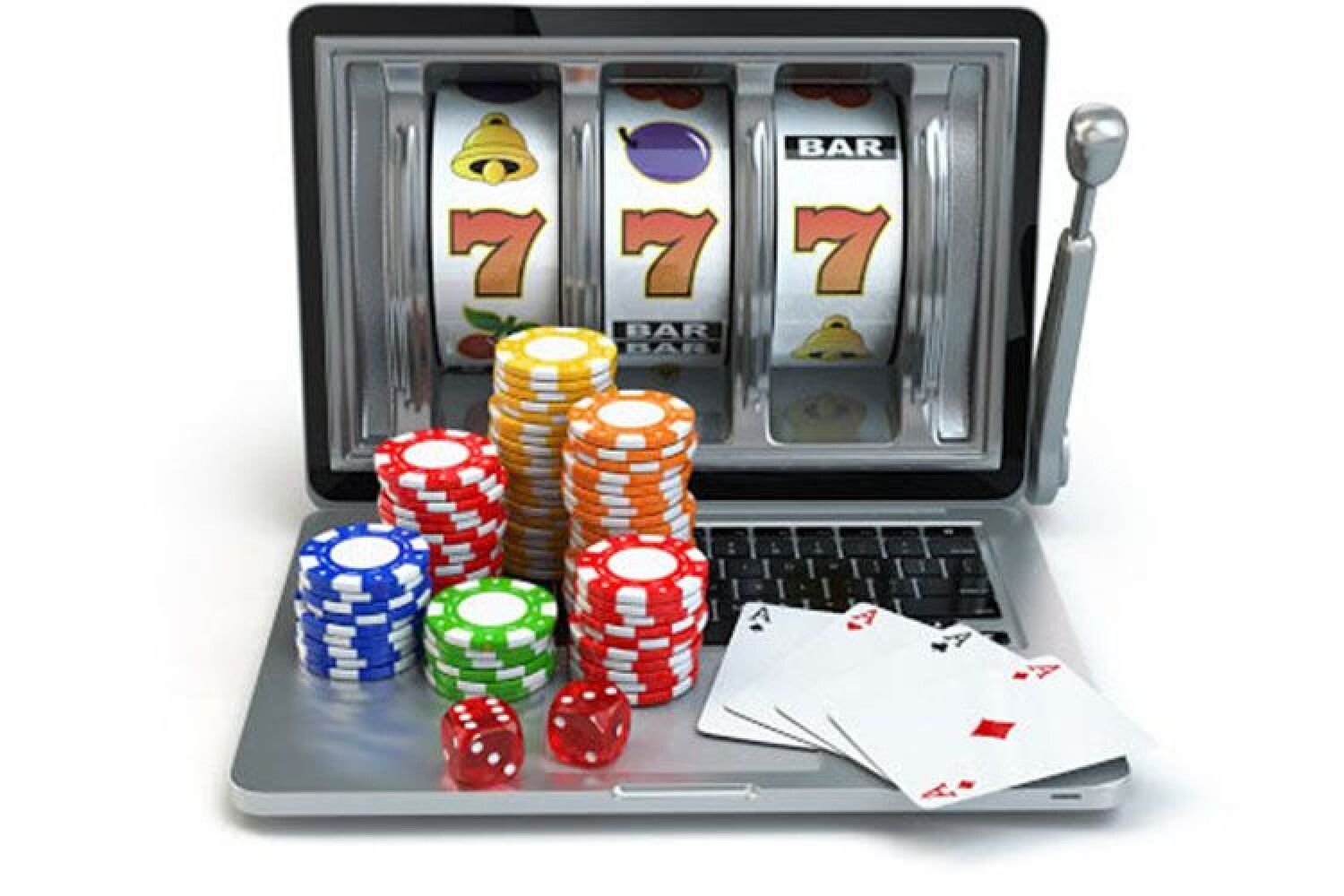
RetroBett: A Platform for Strategic Gambling Experiences
The concept behind a platform like RetroBett suggests an environment that might cater to a sophisticated understanding of gambling, potentially focusing on classic games where strategy plays a significant role. By offering access to games such as blackjack, poker, or other skill-based options, RetroBett could provide players with the opportunity to apply and hone their strategic prowess. The name itself evokes a sense of nostalgia, perhaps hinting at a return to simpler, more strategic forms of entertainment, away from overly complex modern iterations.
Such a platform would ideally support responsible gambling principles, potentially offering tools for setting limits on time and expenditure, alongside educational resources. For players seeking to gain a stable edge, RetroBett could be a venue where they can practice their skills in a controlled environment, test different strategies, and engage in games where informed decision-making is rewarded. This focus on strategic engagement, rather than pure chance, aligns with the pursuit of a more calculated and potentially rewarding gambling experience.