
Luck or skill which governs your gambling fate
The Role of Luck in Gambling
Luck is often the first thing people think of when they consider gambling. Games like slots, roulette, and lotteries are heavily based on chance, where the outcome is determined by factors beyond a player’s control. These games are designed to be unpredictable, which can lead to exhilarating highs and devastating lows. For many, the thrill of gambling comes from the uncertainty and the possibility of winning big purely by chance, especially in an online casino.
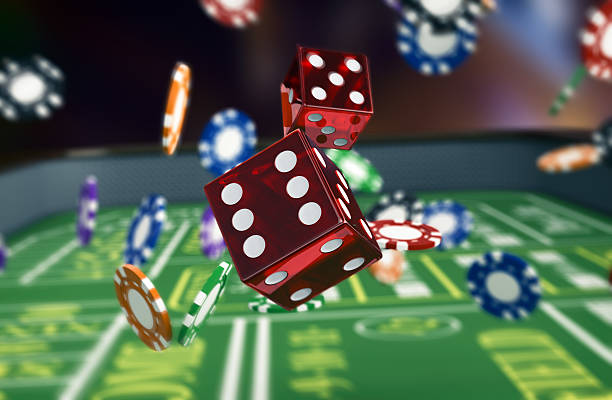
This reliance on luck can make gambling highly enticing. Players may feel they can strike it rich on a whim, as outcomes can change in an instant. However, this randomness can also lead to financial losses, reinforcing the idea that while luck plays a significant role, it is not the only element influencing gambling outcomes.
The Importance of Skill
While luck certainly plays a part in gambling, skill cannot be overlooked, especially in games that require strategy, such as poker and blackjack. In these games, experienced players utilize knowledge, psychological tactics, and mathematical principles to increase their odds of winning. Skillful players learn to read their opponents and make informed decisions based on probabilities, thereby shifting the balance away from pure luck.
Moreover, skill can be cultivated over time through practice and study. Players who dedicate themselves to understanding the nuances of their chosen games often find greater success than those who rely solely on chance. This highlights a critical aspect of gambling: the dichotomy between luck and skill can significantly influence one’s overall experience and outcome.
The Psychological Aspect of Gambling
Gambling is not just a numbers game; it is also a psychological one. Many gamblers rely on their belief in luck and often engage in rituals to improve their fortune, such as wearing lucky charms or following specific routines. This psychological reliance on luck can lead to both positive and negative experiences, as the emotional highs of a win can be intoxicating, while losses can lead to despair and impulsive behavior.
Understanding the psychological components of gambling can empower players to make better choices. Recognizing that emotions can cloud judgment is crucial, particularly in high-stakes situations where one might feel compelled to chase losses or become overly confident after a win. Balancing luck with a rational approach can enhance a player’s gambling strategy.
Strategies for Successful Gambling
To navigate the world of gambling effectively, players should develop strategies that incorporate both luck and skill. Setting limits on spending and understanding the odds of various games can help mitigate risks associated with purely luck-based gambling. Additionally, learning strategies specific to each game can turn the tables in a player’s favor.
Moreover, players should engage in continual learning. Whether through reading, observing other players, or analyzing past games, developing one’s skills can yield substantial dividends. While luck will always be a factor, informed decision-making can significantly enhance a player’s chances of success in high-stakes environments.
About the Resource Website
This website serves as a valuable resource for those looking to understand the intricacies of gambling, including the balance between luck and skill. It offers insights and updates on the gambling industry, helping users stay informed about the latest trends and developments. By prioritizing user safety and information security, it aims to provide a secure platform for exploring various aspects of gambling.
While access may be restricted at times, users are encouraged to reach out for assistance. Whether seeking knowledge about games or industry updates, the website aims to deliver reliable information, promoting a responsible and informed gambling experience for all users.